Can an automotive business have a loyalty program?
Yes, automotive businesses can absolutely have loyalty programs - and the most successful ones already do. Whether you operate a car dealership, a multi-location service center, an auto parts retailer, or a car wash chain, a well-designed loyalty program directly addresses the biggest customer retention challenges the automotive industry presents and helps encourage repeat business: long purchase cycles, high customer acquisition costs, and the constant risk of losing service customers to competitors.
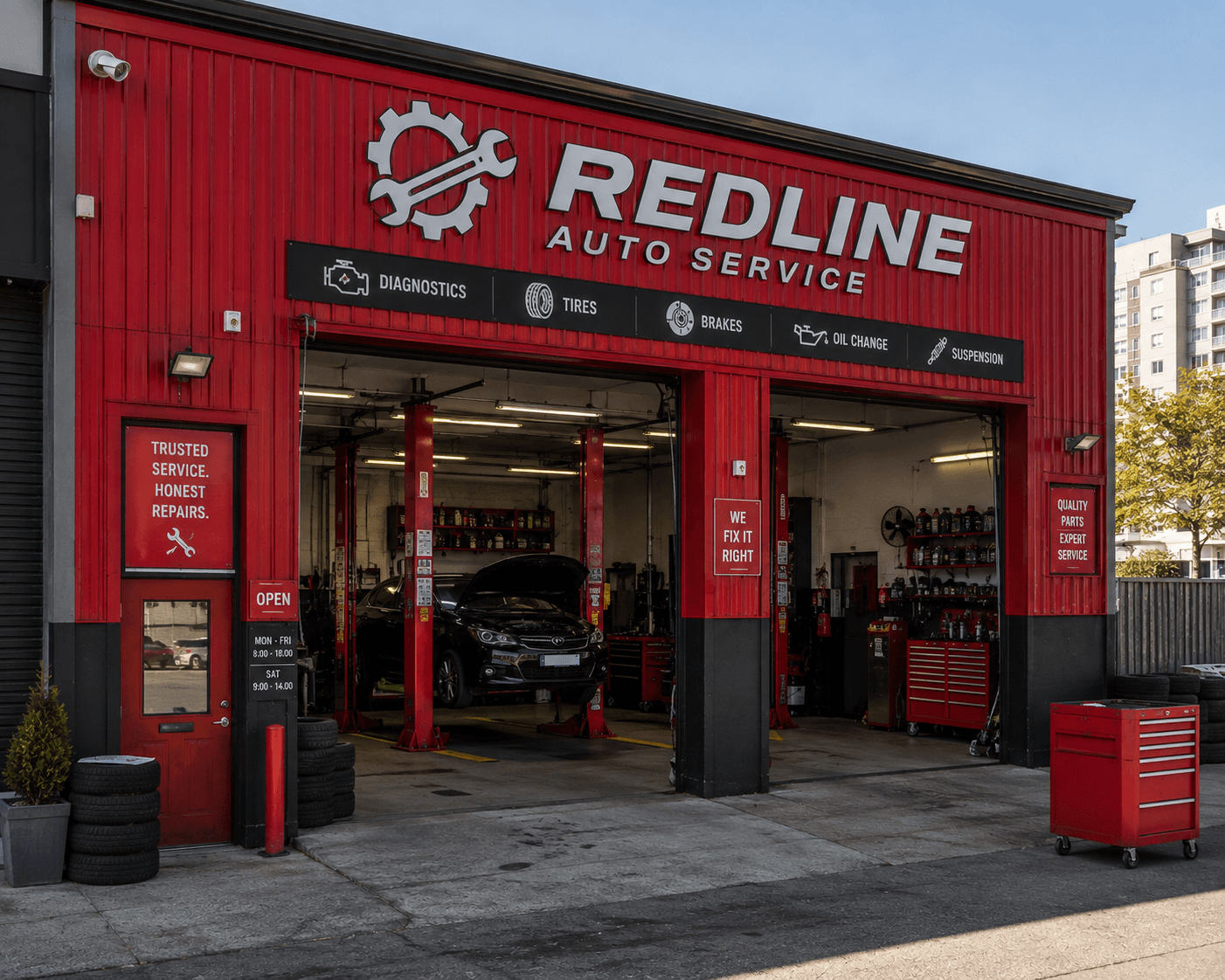
Introduction
Yes, automotive businesses can absolutely have loyalty programs - and the most successful ones already do. Whether you operate a car dealership, a multi-location service center, an auto parts retailer, or a car wash chain, a well-designed loyalty program directly addresses the biggest customer retention challenges the automotive industry presents and helps encourage repeat business: long purchase cycles, high customer acquisition costs, and the constant risk of losing service customers to competitors.
This guide covers loyalty program feasibility and implementation for the full range of automotive businesses - from new vehicle dealerships and after-sales service centers to spare-parts retailers and multi-location automotive groups.
The target audience is automotive business owners and managers who want to build customer loyalty without enterprise-level IT complexity, mandatory app downloads, or months of implementation time.
Here is the direct answer: automotive businesses not only can have loyalty programs, but need them to compete effectively, enhance customer retention, and improve customer satisfaction. With millions of new cars sold globally and only a part of used vehicle owners staying loyal to their brands, the revenue opportunity in retaining customers through structured rewards is enormous. The challenge is finding a solution that works without forcing customers to download another loyalty app, without requiring dedicated IT staff, and without taking months to launch.
By the end of this guide, you will understand:
· Why automotive loyalty programs are feasible and increasingly necessary across all automotive business types
· The specific loyalty program structures that match automotive customer behavior and deliver clear financial benefits
· How to implement a program without technical barriers using white-label platforms
· Real-world metrics and benchmarks that demonstrate measurable ROI
· How to launch quickly and start driving repeat service visits, referrals, and higher customer lifetime value
Understanding Automotive Loyalty Programs
An automotive loyalty program is a structured customer retention system designed specifically for vehicle-related businesses, rewarding customers for behaviors like service visits, parts purchases, referrals, and repeat purchases. Unlike generic retail rewards, automotive loyalty programs must account for the unique rhythm of the automotive sector - where a major vehicle purchase might happen once every three to seven years, but service interactions occur regularly in between.
Why the Automotive Industry Needs Different Loyalty Approaches
The automotive industry presents loyalty challenges that retail simply does not face. Retention of existing customers is cheaper than acquiring new ones in the automotive sector, yet brand retention sits at roughly 43.9% nationally, and a part of new car buyers are undecided about their next brand. Long purchase cycles limit customer engagement opportunities, making every oil change, tire rotation, and seasonal inspection a critical touchpoint for building loyalty.
Automotive brands face high customer acquisition costs, and most revenue between vehicle purchases comes from service, parts, and accessories. Customer relationships in automotive are fundamentally relationship-driven - a satisfied customer chooses where to service based on trust, convenience, perceived value, and excellent customer service. Loyalty programs in the automotive industry also encourage word-of-mouth referrals, which remain one of the strongest drivers of both new vehicle sales and service business growth.
This is why automotive loyalty programs must reward behaviors that generate business value - service visits, direct bookings, referrals, and ongoing engagement - and can encourage repeat purchases over time, rather than just tracking generic spend. The approach parallels what guest-driven businesses in hospitality have learned: loyalty failure is not a technology problem but an adoption and connection problem. Programs fail when they are disconnected from how customers actually behave.
Types of Automotive Loyalty Programs
Automotive loyalty programs often use tiered or points-based systems to reward customers, but several distinct structures exist:
Points-based programs reward customers for every purchase. Customers earn points per dollar spent on service, parts, and accessories, collecting loyalty points that can later be redeemed for service discounts or free maintenance.
Subscription-based programs offer exclusive benefits for a recurring fee, providing immediate value through perks like priority service scheduling, bundled maintenance, and discounted services. This is another form of subscription-based loyalty program centered on recurring value rather than one-time transactions.
Coalition programs connect multiple brands for broader rewards, creating a partnership network where customers can earn and redeem across related businesses. Automotive loyalty programs often include participating companies within that broader partner network for added value - fuel stations, car washes, insurance providers, and roadside assistance companies.
Commitment-based programs reward long-term engagement with exclusive benefits, recognizing your most loyal customers with escalating perks tied to tenure or cumulative spend. This model focuses on long-term relationship building, using tiered rewards to incentivize repeat visits and active customer participation.
Automatic membership programs enroll customers without hassle upon purchase, removing friction from the signup process entirely. Simple enrollment and redemption processes increase the effectiveness of loyalty programs - a principle that applies across every program type.
This range of structures means any automotive business can find an approach that matches its customer behavior and operational reality. The question is not whether a program is possible, but which model fits and how quickly it can launch.
Automotive Loyalty Program Applications
With the foundational structures understood, the practical question becomes: how do different types of automotive businesses actually apply these models? Across the industry, these use cases sit within the broader category of car loyalty programs. The applications vary significantly depending on whether you are running a dealership, a service center chain, or a parts retailer - but the underlying principle stays constant: reward the customer behaviors that drive your revenue.
Dealership Loyalty Programs
A dealership loyalty program bridges the gap between infrequent vehicle purchases and frequent service interactions. Service visit rewards, trade-in bonuses, and referral incentives keep customers engaged between major purchases. Many car manufacturers use similar programs to keep owners engaged between purchase cycles. One car manufacturer offers exclusive discounts and rewards for members, while the other offers cashback for dealership services, and many automotive companies also rely on dealership-level loyalty tactics to maintain post-sale relationships even when purchase cycles are long.
For dealerships exploring loyalty, platforms like MyVipGuest enable operators to reward direct appointments, encourage service returns, and track customer engagement - all without requiring guests to download apps. The entire experience runs under the dealership's brand name, logo, and color scheme, which matters enormously in an industry where brand loyalty and trust are inseparable.
Service Center Loyalty Programs
Service centers operate on recurring maintenance cycles - oil changes, brake inspections, tire rotations, seasonal checks - making them ideally suited for loyalty programs that track service milestones and reward consistency. Loyalty platforms can track vehicle service history and send maintenance reminders, turning routine scheduling into loyalty-building touchpoints.
A service center demonstrated the impact across approximately 65 service locations: Most of their transactions came from loyalty members; average spend of loyalty members was higher than non-members, and customer lifetime value was drastically increased. These numbers illustrate what happens when a loyalty strategy aligns with how service customers actually behave.
Automotive Parts and Accessories Retailers
Parts and accessories retailers benefit from purchase-based rewards, professional installer programs, and bulk order incentives. Because parts purchases tend to be more frequent and transaction-driven than vehicle purchases, points-based programs work particularly well - customers can earn points on every purchase and redeem rewards against future purchases. Some retailers also issue rewards points tied to purchase frequency or category spend. Rewards can also be applied to future services when retailers are linked to installation or maintenance partners.
AI can personalize rewards based on driving habits and maintenance needs, enabling parts retailers to send targeted offers when specific components are likely due for replacement. Used well, these systems help analyze customer data so a generic rewards program becomes a predictive engagement tool.
Across all three application types, the common success factors are consistent: reward behaviors that matter, make participation frictionless, personalize based on customer data, and track performance metrics such as customer retention and repeat visits. Automotive loyalty program success hinges on tracking service milestones and spending over time, and automotive loyalty programs should integrate with the entire customer journey for effectiveness.
These applications show what is possible. The next question is how to actually implement a program without getting stuck in months of IT development.
Implementing Automotive Loyalty Programs
Moving from concept to running program is where many automotive businesses stall. The good news: modern white-label loyalty platforms eliminate most traditional implementation barriers, allowing automotive operators to launch in days rather than months.
No-App Implementation Methods
Guest friction with app-based loyalty is one of the biggest customer retention challenges in automotive. Many customers will not install yet another loyalty app, and requiring downloads creates an immediate dropout point. The solution mirrors what the best hospitality operators have learned: participation must happen through channels customers already use.
1. QR code check-ins: Place QR codes at service desks, waiting areas, and checkout counters. Customers scan to join, check points, or redeem rewards - no download required.
2. Web-based loyalty participation: Customers access their loyalty dashboard through your existing website. A fully white-labeled digital voucher system lets them browse and redeem rewards from any browser.
3. Text message and email engagement: Automated service reminders, point balance updates, and bonus point campaigns keep customers engaged between visits. Using mobile technology can bridge long vehicle purchase cycles in loyalty programs.
4. POS and service management integration: Connect loyalty logic directly to your existing point-of-sale and dealership management systems so points accrue automatically - no manual entry, no staff friction.
This no-app approach is central to how MyVipGuest operates. Guests join, earn, and redeem rewards via QR, web, or existing brand apps - fully branded under your business identity. The entire experience runs under your brand name, logo, and color scheme, with no third-party branding visible to your customers.
Platform Comparison for Automotive Businesses
When evaluating loyalty platforms, automotive businesses should assess options across five dimensions that directly impact adoption and ROI:
- Guest Experience Fit
- White-Label Platform (MyVipGuest): No app required; QR and web-based access matching how customers actually behave.
- Generic Loyalty Software: Often requires app downloads, creating friction.
- Operational Simplicity
- White-Label Platform (MyVipGuest): Front desk and marketing teams can manage the platform without IT support.
- Generic Loyalty Software: Typically requires IT involvement and technical staff.
- Industry Specificity
- White-Label Platform (MyVipGuest): Service visit tracking, referral rewards, booking incentives, and real-time analytics.
- Generic Loyalty Software: Generic retail features adapted awkwardly for automotive.
- Revenue Outcomes
- White-Label Platform (MyVipGuest): Drives repeat visits, higher spend per visit, and referrals — including +35% repeat purchase rate and +27% ROI from reactivation.
- Generic Loyalty Software: Focuses on engagement metrics without a clear connection to revenue.
- Implementation Time
- White-Label Platform (MyVipGuest): Launch in days, not months.
- Generic Loyalty Software: Often takes months, with custom development required.
MyVipGuest functions as a bespoke loyalty ecosystem combining loyalty, CRM, and guest engagement in one platform. It is built for guest-driven businesses where loyalty is a direct revenue driver - rewarding the behaviors automotive operations actually depend on: service visits, repeat bookings, spend, referrals, and social sharing, while also supporting competitive pricing through targeted rewards instead of blanket discounting. For automotive chains and multi-location groups, it provides unified dashboard control across venues, brands, and regions.
Gamification increases engagement in automotive loyalty programs, and MyVipGuest's AI-Powered Assistant lets operators design loyalty models and generate vouchers with smart automation - zero guesswork. This means you can launch a reward catalog, set up bonus point campaigns, and configure tiered rewards without needing technical expertise.
Stronger reporting also helps operators track social media presence when campaigns reward sharing or referrals.
Partnerships with related businesses can broaden the appeal of automotive loyalty programs, and a platform that supports coalition-style partnerships within its structure gives automotive businesses the flexibility to add partner rewards over time.
Common Challenges and Solutions
Even with the right platform, automotive businesses face specific obstacles when launching and maintaining loyalty programs. Here are the most common challenges and how to solve them.
Low Customer Engagement Due to Infrequent Visits
Automotive brands face challenges due to low purchase frequency - a customer might visit for service only two to four times per year. Without proactive engagement, customers forget about the program entirely and points expire unused.
Solution: Automated service reminders tied to vehicle maintenance schedules, referral rewards that give customers reasons to engage even when they do not need service themselves, and family account linking that expands the program's touchpoints. MyVipGuest's hospitality-first approach to ongoing engagement - originally designed for hotels and resorts where guests visit seasonally - translates directly to automotive's infrequent-visit challenge. Personalization based on customer data can improve loyalty program effectiveness, turning generic reminders into relevant, timely communications.
Complex IT Requirements and Long Setup Times
Automotive brands struggle with insufficient customer data collection, and many loyalty platform implementations require months of development, custom integrations, and dedicated IT resources that most automotive businesses simply do not have.
Solution: White-label platforms that integrate with existing automotive management systems without requiring IT department involvement. MyVipGuest offers PMS, POS, and CRM-ready integrations and can be launched in days.
Guest Friction with App-Based Loyalty Programs
Customer resistance to yet another app is real. App usage drops dramatically after initial download, and requiring an app means excluding a significant portion of your customer base from participating.
Solution: QR code and web-based participation that works through existing customer touchpoints. No app download required - ever. This removes the single biggest barrier to program adoption. When customers can join by scanning a QR code at the service desk and immediately see their rewards in a branded web portal, enrollment rates increase substantially. That kind of frictionless access is especially important for a speed perks loyalty program style experience. Simple enrollment and redemption processes increase the effectiveness of loyalty programs.
Data Silos and Fragmented Customer Views
Multi-location automotive groups often use different systems across locations, making it impossible to build a unified picture of customer behavior and valuable customer data.
Solution: A centralized platform with multi-location control. MyVipGuest allows operators to manage multiple venues, brands, and regions from one unified dashboard with real-time analytics tracking loyalty ROI, redemption rates, and engagement through live dashboards. This solves the data fragmentation problem that undermines personalization and predictive outreach.
Conclusion and Next Steps
Automotive businesses can and should have loyalty programs. The evidence is unambiguous: loyalty members spend more per visit, return more frequently, refer more new customers, and generate dramatically higher customer lifetime value. Automotive loyalty programs enhance long-term customer value, and loyal customers tend to spend more per visit in automotive services. High-quality vehicles boost customer loyalty in the automotive sector, but even the best product needs a structured retention system to keep customers coming back to your service bay rather than a competitor's.
The difference between success and failure is not whether you launch a loyalty program - it is whether your program matches how your customers actually behave. Most automotive loyalty programs fail not because the concept is wrong, but because the mechanics create friction: mandatory app downloads, complex enrollment, rigid redemption rules, and months-long implementation timelines.
Your Next Steps to Drive Retention:
1. Evaluate your current metrics: Audit your repeat visit rates, service return percentages, and current guest data collection.
2. Identify core revenue behaviors: Focus on incentivizing service visits, referrals, direct bookings, and parts purchases.
3. Choose an app-free loyalty engine: Select a white-label platform built for guest-driven businesses—no app downloads, no IT overhead, and instant setup.
Start Your Free 30-Day MyVipGuest Trial — Launch your white-label automotive loyalty program in days, not months.
Related topics worth exploring include multi-location loyalty management for automotive chains, integrating loyalty with automotive CRM systems, measuring loyalty ROI in service-based businesses, and understanding how loyalty software evaluation frameworks apply across guest-driven industries.